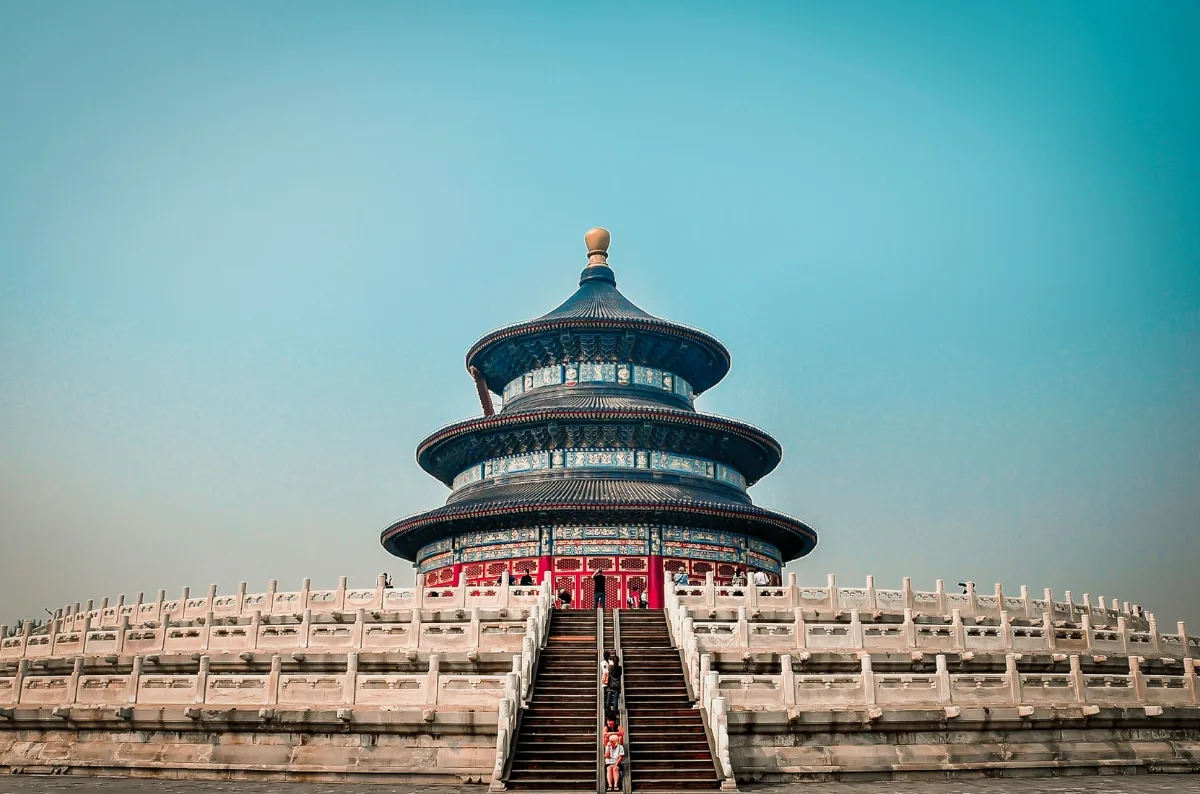

I've spent the past several months digging into 19 paired comparisons between Chinese cities and their structural counterparts in North America and Europe. These pairs span from Beijing/Washington and Shanghai/New York to Shenzhen/San Francisco, Qingdao/Victoria, Hohhot/Calgary, Xi'an/Rome, and Chengdu/Austin. I looked at rent, wages, daily consumption, hidden costs, and infrastructure.
What I found surprised me. Most city comparison sites do a simple trick: they set New York at 100, tell you Shanghai is 85, Chengdu is 50, and let you conclude "Ah, Chengdu is half the price of New York."
I now think that conclusion is a carefully constructed illusion. Absolute cost numbers are hollow. The only metric that truly matters is the cost-to-income ratio – and more importantly, who is paying the bill.
In this article, I walk through the five most important insights I've pulled from these 19 comparisons. My goal is to give you a framework for answering the only question that really matters: "Can I actually live well here?"
Absolute multipliers deceive: rent vs income across 19 city comparisons
I started this research expecting the obvious: Chinese cities are cheaper than North American and European ones. The data confirmed that – Xiamen vs Honolulu at 5.9x, Shanghai vs New York at 2.7x. Case closed, right?
But when I dug deeper, and isolated rent from the broader cost-of-living indexes, the multiples shifted. And when I stacked those rent numbers against local wages, I found something that changed my entire perspective. High salaries in Western cities often outpace high rents, while low salaries in Chinese cities often fail to keep up with even relatively low rents.
Consider what I found in the data:
This is the first thing I want you to take away: a city that looks "cheap" on a spreadsheet can be brutal to live in on a local wage. And a city that looks "expensive" can actually leave you with more breathing room.
My takeaway: You can't judge a city by its cost index alone. I always ask two harder questions now: (1) What percentage of a local paycheck goes to rent? (2) And why is it cheap? The same number represents completely different urban fates. I explore this in depth in Five Kinds of Cheap.
The Five Kinds of Cheap
As I kept finding this pattern, I started asking myself: why does the same "low cost" number mean something entirely different in Xi'an than in Harbin?
I developed a framework to make sense of it. I call it Five Kinds of Cheap, covered in full here. I've identified five distinct mechanisms behind China's low rents, and each points to a completely different urban future:
Lifestyle arbitrage: who actually benefits from China prices?
People moving to China assume the "cheapness" applies to them equally. It doesn't.
The discount is real, but it only exists if your income comes from outside the local cost structure.
Here's the breakdown I've put together from my fieldwork in Tier-2 Chinese cities. For a deeper dive into how your personal lifestyle choices affect your monthly budget, see Three Lifestyle Budget Tiers for Long-Term Expat Living.
Within the same city, lifestyle choices can create a 3x gap in monthly spending. The gap between a Frugal and a Premium lifestyle is often larger than the gap between a Tier-1 and a Tier-2 city.
What this means in practice: Arbitrage depends just as much on how you live as on where you live. I've stopped blaming the city for my expenses. I look at my own choices first.
Doors, ceilings, and invisible entry fees: hukou, age limits, and fame's eviction
Some cities don't filter you by price at all. They filter you by rule.
Many cities' true costs are not written on the price tag. They're written in the rules of "who gets to stay." Some cities have doors that swing open. Others have doors that are barred or locked. Some have ceilings you hit without warning.
1. The Hukou/Visa Door (Shanghai vs. New York, Beijing vs. Washington)
New York and Washington have about 37–40% foreign-born populations. For the vast majority of those people, there's a clear path to citizenship. The door swings outward.
Shanghai and Beijing have about 42% non-registered (hukou) residents. They build the city, staff it, feed it. But the city grants only tens of thousands of local hukou each year. You can work there for a decade, pay taxes, raise a family – and still, "belonging" is a door that mostly stays shut.
2. The Age Ceiling (Shenzhen vs. San Francisco)
San Francisco is expensive to enter, the price tag alone filters out most people. But once you're in, if you can afford it, you can stay.
Shenzhen is the opposite. The city's average age is 32.5. I've observed a brutal, unspoken rule there: if you haven't "made it" by 35, the city quietly replaces you with the next wave of graduates. It's cheap to enter, but expensive to stay.
3. Fame's Eviction (Jingdezhen vs. Santa Fe)
Jingdezhen treats cheapness as infrastructure – ¥300/month beds, interest-free loans for workshops. The city actively pulls young makers in.
Santa Fe became so famous for its art scene that it priced out the very artists who built that reputation. A non-profit spent over a decade and $18 million just to create 65 subsidized live-work units.
Beyond the headline rent, there are also hidden recurring costs – property management fees, climate-driven electricity use, visa overhead, and language premiums – that can add 15–40% to your effective housing cost.
The rule I've settled on: Some cities filter you by price (New York, San Francisco). Some by institutional status (Shanghai, Beijing). Some by age (Shenzhen). Some by fame (Santa Fe). I now tell people: calculate this "invisible entry fee" before you calculate the rent.
 Beijing
 New York
Infrastructure as subsidy: why your cheap subway ride isn't actually cheap
The "developed vs. developing" framing collapses once you look at who actually pays for the infrastructure underneath both.
On the surface, the infrastructure gap is obvious. Xi'an built a metro through 260 ancient tombs, and kept digging. Rome spent two decades and €7 billion on a single metro line because every shovel hit another empire. Chengdu has 719km of metro; Austin has a single 51km commuter rail line. Guangzhou has 780km; Boston has 111km.
China's infrastructure is newer, more extensive, and cheaper to ride. That's not a secret. But what I didn't fully appreciate until I started digging into the systems behind the numbers is this: the low user fees you pay are not the "actual cost" of the service. They are a subsidized outcome, paid for by someone else.
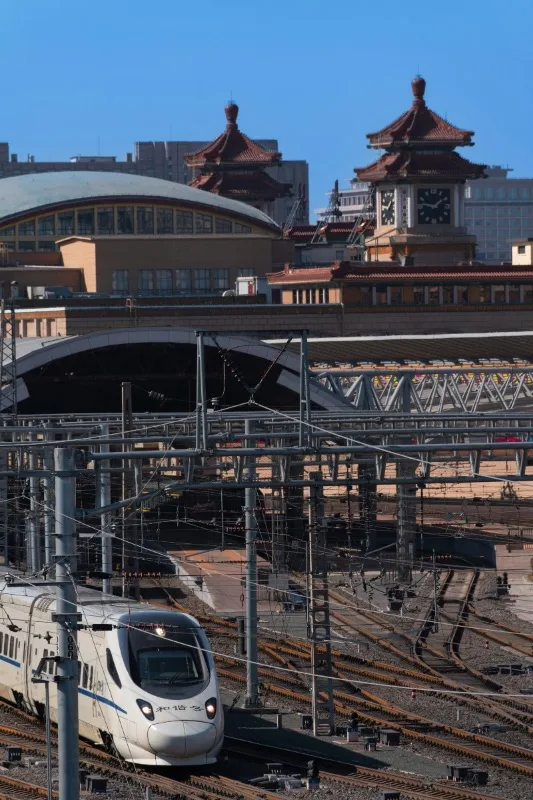 High-Speed Train
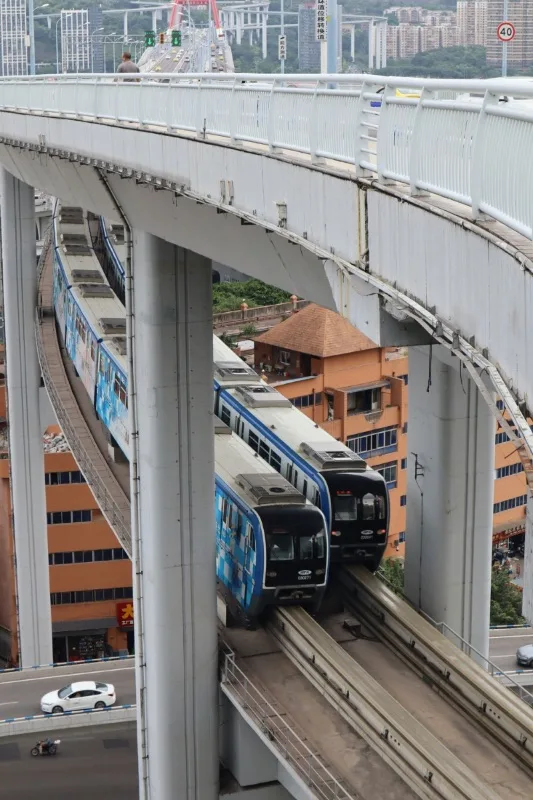 Chongqing Monorail
For a closer look at how China's urban systems are built and funded, see the Systems overview, which covers urban transportation, electricity, water, broadband and mobile, and more.
For a broader look at how infrastructure investment shapes everyday affordability, see Why Affordable-Looking Urban Convenience Comes With Invisible Long-Term Investment.
What I now look for: Your cheap subway ride and cheap broadband are not "cheap to provide." They are subsidized. When the subsidies fade — and for food delivery, they already are — your "cheap life" evaporates. Is this city's low cost of living sustainable, or is it a sugar high?
Paradise tax: when winter sun becomes a daily surcharge
Every earlier insight has a seasonal version of itself.
The "paradise tax" isn't just about rent. It's about the cost of everything you buy when a city's population seasonally swells with "snowbirds" – retirees who migrate south for the winter and stay for months.
Sanya is the most extreme example I've found. A two-bedroom apartment that rents for ¥3,500 in May jumps to ¥22,000 in January, a sixfold increase. But the tax doesn't stop at rent. Vegetable prices at the market, seafood at the dock, and everyday groceries all climb with the winter population. One long-stay resident's monthly budget in peak season runs ¥12,000–15,000, roughly three times what the same lifestyle would cost off-season. The snowbirds and locals share the same housing stock, the same markets, the same supply chains, and when the population doubles, prices follow. The paradise tax isn't a one-time fee. It's a daily surcharge on being warm.
 Sanya
Sanya
 Miami
Miami
Kunming offers a milder version. The summer influx of northern retirees pushes up rents – a lakeside villa can run ¥50,000–60,000 for a July stay, but daily essentials remain largely stable. The tax is gentler, but it's still there.
Harbin is the counterexample. Its winter is brutally cold, so it attracts short-term tourists, not long-stay snowbirds. Visitors stay in hotels, eat in restaurants, and leave. They don't rent apartments, they don't shop at the local market, and they don't push up the cost of living for residents. Harbin's hotel rates triple in January, but its grocery prices barely move. The cold city doesn't tax its residents. The warm one does.
Three cities, three patterns:
The same pattern plays out across the U.S. in our comparison cities.
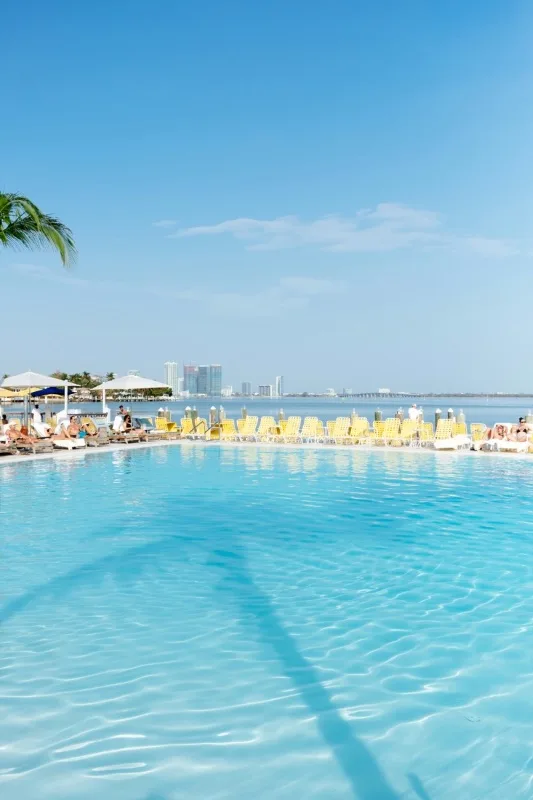
Miami's winter rent spikes mirror Sanya's, just with a stronger currency behind them. Honolulu carries a permanent "paradise premium" baked into everyday prices, not just rent – its cost of living runs 85% above the US average. San Diego's rent-to-income ratio hits 65%, the highest in our entire 19-city set, a direct consequence of selling "America's Finest City" weather to a nation of willing buyers. In all three cases, the tax is real – but it's concentrated in housing costs, not the grocery basket.
The "paradise tax" isn't a punishment. It's a market: demand for warm winters meets limited supply of warm places. But when a city's entire economy pivots to serve seasonal arrivals, the people who live there year-round end up paying the price for the postcard.
The question that changed my read on coastal cities: Good weather is a luxury that has already been fully priced in — and in some cities, it's priced into everything you buy, not just the roof over your head. I've stopped asking "how much is the rent?" and started asking "how much does this city cost when it's full?"
My personal formula for a city's real livability value
After all of this research, I've boiled everything down to a single formula. It's the lens I now use whenever I'm asked "Should I move to City X?"
Five core insights from 19 city comparisons: absolute multipliers deceive — a cheap city on paper can be brutal on a local wage; lifestyle arbitrage depends on income source — the China discount only exists if you earn from outside; the door matters more than rent — hukou and age limits are invisible entry fees; infrastructure is subsidized, not cheap — your subway ride is paid for by someone else; and the paradise tax is real — warm cities tax their residents, cold ones don't. The formula below ties it all together.
Real Livability Value
Real Livability Value = (Your Income × Local Purchasing Power) ÷ (Explicit Costs + Hidden Recurring Costs + Access Barriers)
That formula changes depending on who you are. For a remote worker earning foreign currency, China's "New Tier-1" cities – Chengdu, Hangzhou, Xi'an, Suzhou – offer the best arbitrage I've seen anywhere. You bypass the local income problem and leverage the infrastructure subsidy to live well at a fraction of Western cost.
For a local worker earning RMB, Tier-1 cities are harder to survive in than their North American counterparts. The rational move is toward the "Healthy" cheap cities (Kunming, Xi'an) or the "Chosen" cheap cities (Chengdu). Avoid the "Eroding" cheap cities (Harbin) – the low rent is a trap.
For the seeker of belonging, Western cities offer an open path to citizenship, but charge a steep price in services and housing. Shanghai and New York have nearly identical rent-to-income ratios (~70%), but New York's door swings open for immigrants, while Shanghai's door remains barred for the 42% without local hukou. This difference – the door – is more important than the rent check itself.
A city's affordability is a phase, not a property. The only question is where in the cycle you arrive.
It depends on where you are in the economic cycle, where your paycheck comes from, and what you are willing to pay for the right to belong.
I don't think there's a "best" city. There's only the city that fits you.
If you're unsure where to start, try the city matching quiz. It asks seven questions and suggests cities based on what you actually care about.