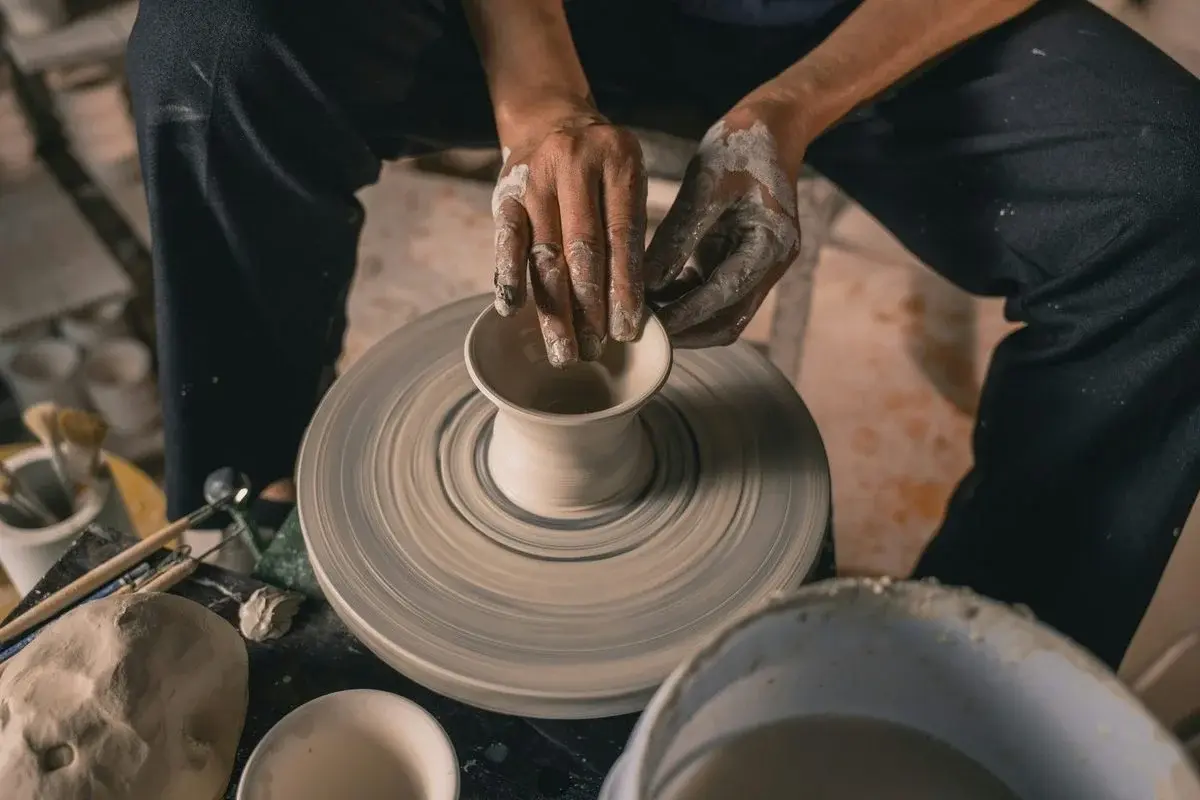
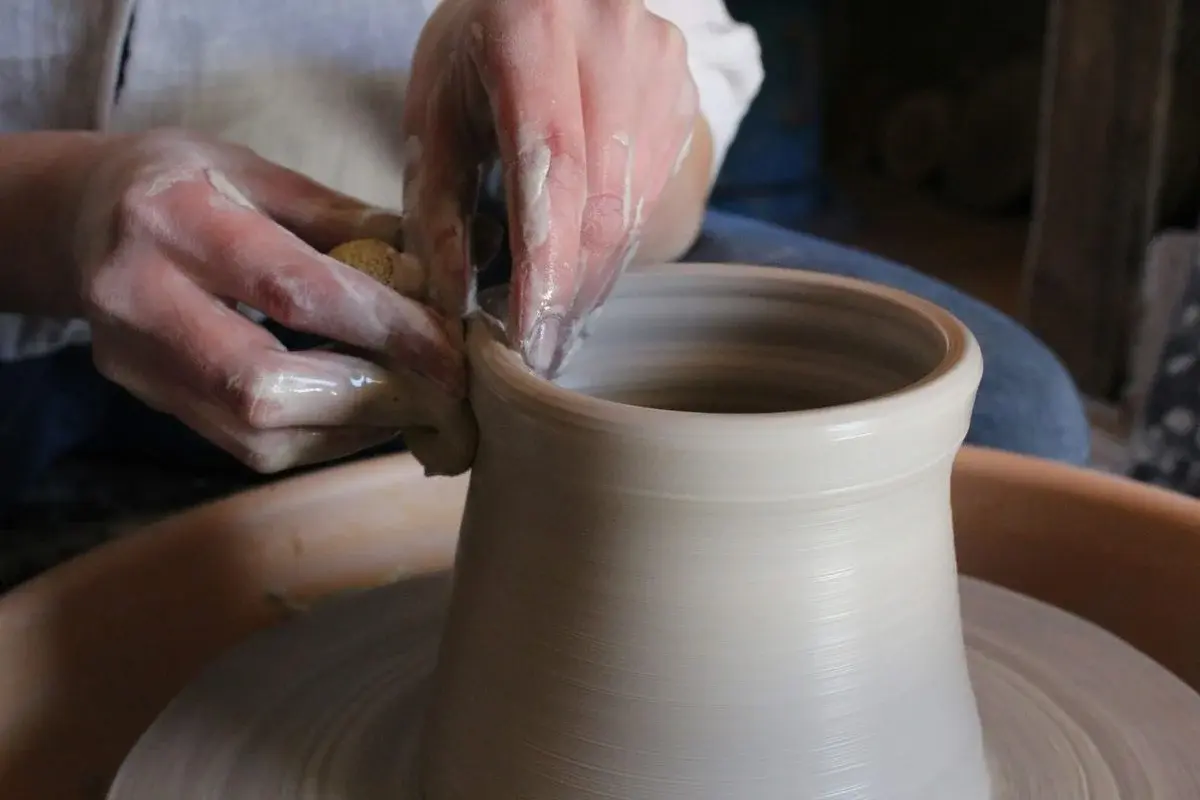
There is a kind of city that decides its worth is measured in handmade things. Not factories, not offices — kilns, looms, benches, the slow work of one person turning material into object. These cities are rare, and they tend to be fragile, because the thing that makes them special is also the thing least able to pay rent.
Jingdezhen is one, in inland China: a thousand years of porcelain, and today tens of thousands of young "kiln drifters" who moved there to learn the craft — and you can get there on an ordinary high-speed rail ticket, no expedition needed. Santa Fe is another, in the high desert of New Mexico: the third-largest art market in the United States, a downtown legally required to stay adobe, a whole economy of galleries, potters, jewelers and weavers.
I have not been to either. This comparison is built entirely from data and reporting, and it works because the two cities are doing the same thing and getting opposite results. Both are craft towns. One is deliberately making itself cheaper to enter. The other grew so desirable that the makers who built its name are being pushed to its edges. That gap is the whole story.
Even the buildings each city built to honor its devotion look the part — one a museum shaped like the very kilns it stands beside, the other built to shelter a staircase people still call a miracle.
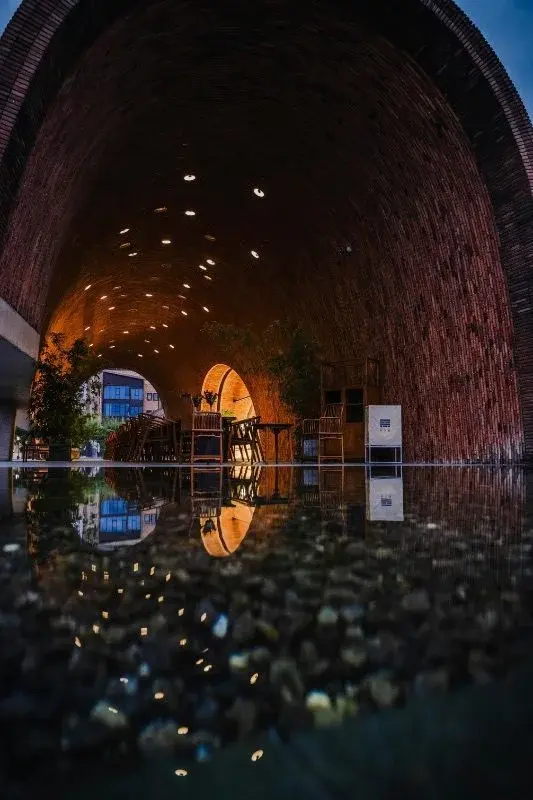
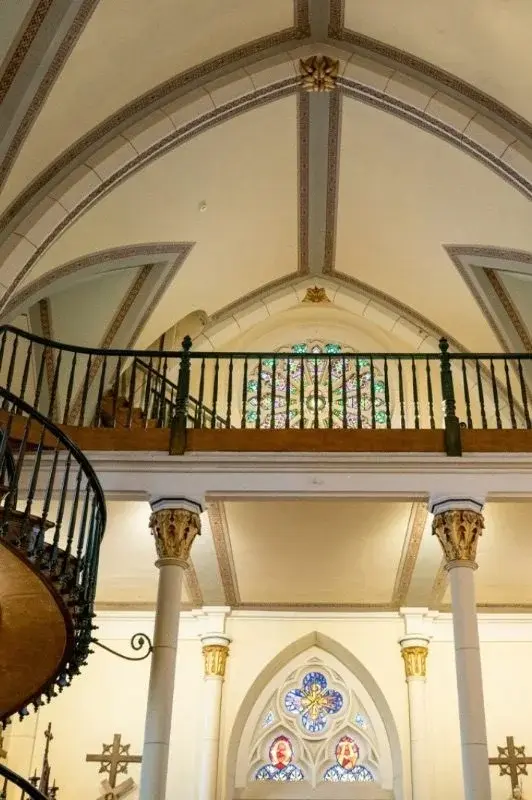
Two very different kinds of devotion, built in brick and imported timber. The numbers behind them are where the two stories split.
01 — Side by side
Jingdezhen vs Santa Fe: $140 vs $1,700 rent.
A young maker in Jingdezhen lives on about $600 a month. A young maker in Santa Fe needs about $3,000 a month. That is not the full story — but it is the starting point. Jingdezhen turns cheapness into infrastructure to pull makers in. Santa Fe turned its reputation into a price premium that prices makers out. The numbers below are researched entirely from a distance, with the same methodology used across every city in this series.
The dollar gap is about 5× across the board — Santa Fe costs roughly five times what Jingdezhen costs a young maker. That would be a dull takeaway (rich country expensive, poor country cheap) if the story ended there. It doesn't. The interesting number isn't how much each city costs. It's who each city is built for. If you want to run your own numbers against either city, the move calculator does the math for whatever you earn.
Same city, different lifestyle — the monthly bill gap can be larger than the gap between cities →
02 — The honest part
Jingdezhen vs Santa Fe: why one stays cheap, the other doesn't?
Every city in this series has a "kind of cheap." Dalian's is the cheapness of a stalled economy; Harbin's is the cheapness of a place people are leaving. Jingdezhen's is something rarer, and Santa Fe is the perfect counterpoint — it shows what happens when a craft city stops being cheap.
Jingdezhen's cheapness is infrastructure. After the city's ten great state porcelain factories collapsed around 2000, it didn't bulldoze the ruins. It turned the dead Yuzhou factory into Taoxichuan, a market district engineered to drop the barrier to entry close to zero: ¥300 rooms by the market, beds at just over ten yuan a night, a ¥5,000 interest-free loan for graduates starting a workshop, 60,000-plus workshops where you can buy every material and tool on one street. The low cost is bait. The city spends money to stay cheap, because cheap pulls in the makers who keep it alive.
Santa Fe's cheapness is gone — and its craft economy killed it. The galleries and adobe charm made it one of America's great art markets, which drew in wealthy buyers and turned housing into a luxury good. A one-bedroom runs about $1,700 now; the median home is $541,100, far above Albuquerque's $308,100. The city has to fight just to keep any space for makers at all — a nonprofit spent over a decade and $18.8 million to build Siler Yard, exactly 65 income-restricted live-work units, with rents starting at $427. Jingdezhen makes cheapness at the scale of a whole city. Santa Fe rations it, 65 apartments at a time.
One city sells the low price as the product. The other discovered the low price was just a phase — and that its own success burned through it.
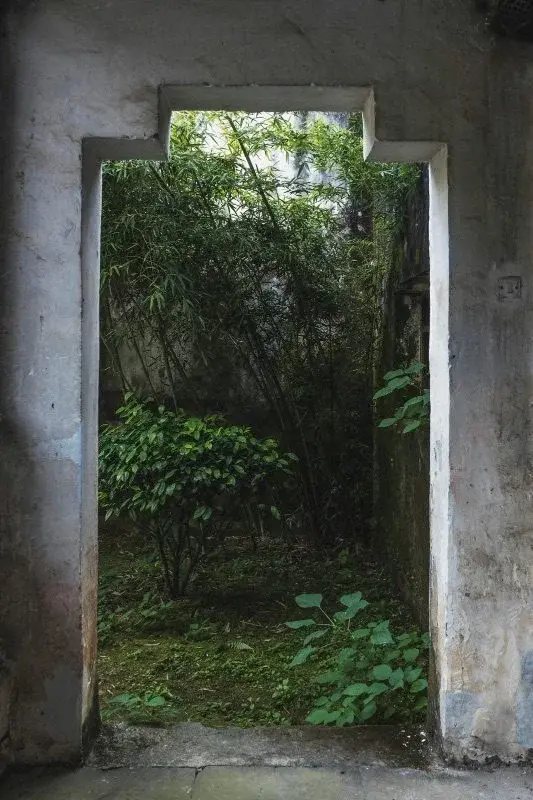
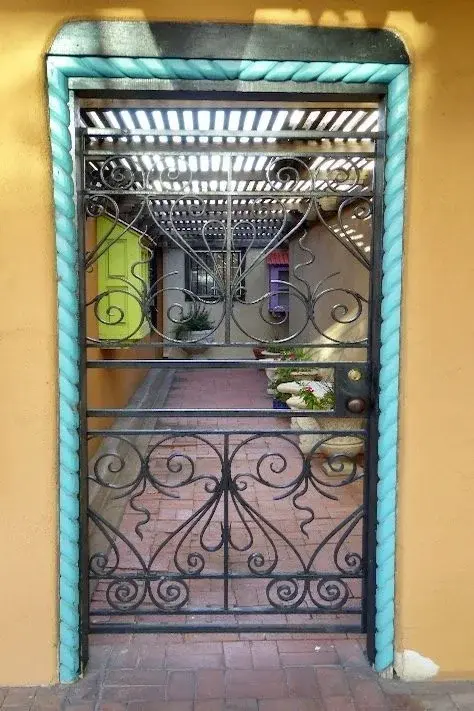
Walk either city's older streets and the same truth shows up at ground level, not just in the numbers.
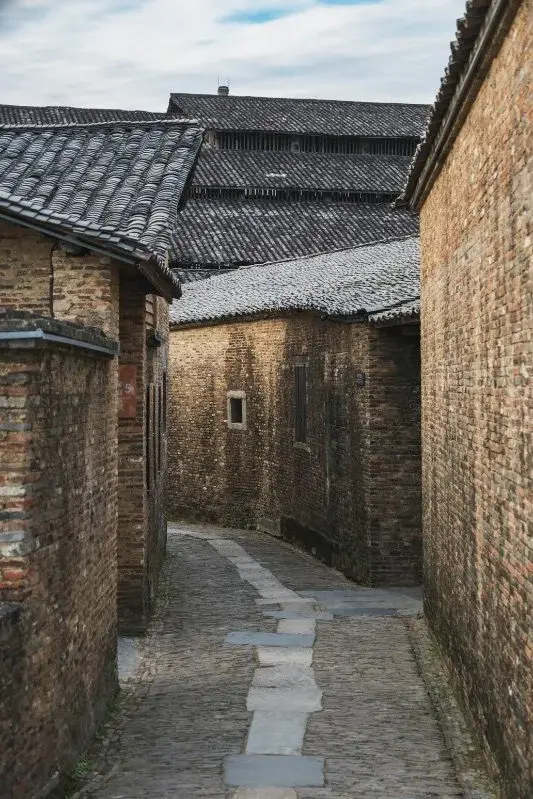
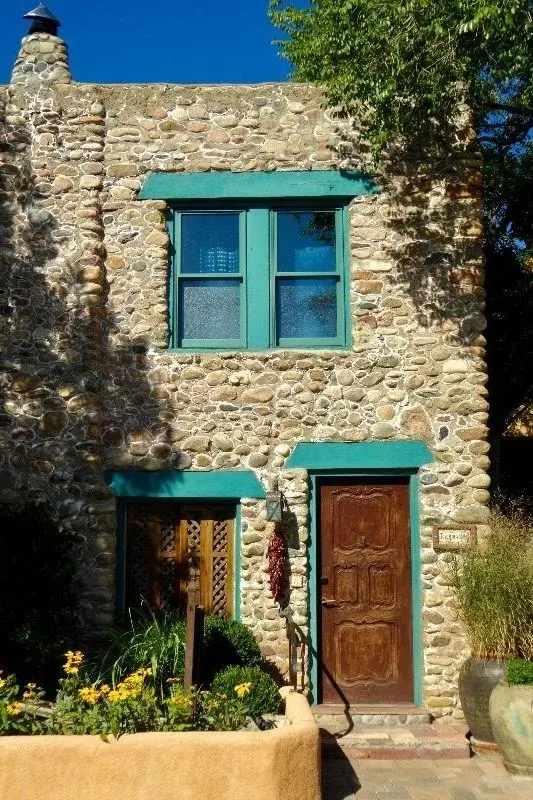
Neither street tells you who gets to keep living on it — and that's the only question worth asking next.
What the meters say
Before we get to rent and wages, a smaller story first: how each city bills for electricity and water. Jingdezhen tiers both, settled annually — the more you use, the steeper the rate. Santa Fe charges a flat rate for electricity no matter how much you use; its water is tiered too, but priced differently, with wastewater billed separately based on winter usage as a proxy for indoor use.
Jingdezhen: tier 1 of 3, annual; Santa Fe: PNM standard flat rate, no tiers¥0.60/kWh
≈$0.083≈$0.135
≈¥0.97
Jingdezhen: tier 1 of 3, household of 5; Santa Fe: per-1,000-gallon increase, average residential customer≈¥1.50/m³
≈$0.21≈$1.60/m³
≈¥11.52
The direction is the same as the rent numbers already showed: Jingdezhen prices resources the way it prices everything else in this piece — cheap by design and cheap at scale. Santa Fe's meters run closer to the US norm — flat on electricity, rising on water — one more small cost piled on top of the rent gap, not working against it.
03 — The number that matters
Jingdezhen vs Santa Fe: who can afford to make things?
Strip away the exchange rate and you're left with the only question that decides whether a craft city survives: can the people who make the work afford to stay where it's famous?
That's the whole comparison in two numbers. Same craft, same devotion, same handmade object at the center of civic identity. And the populations are moving in opposite directions. Jingdezhen is pulling young makers in. Santa Fe is pushing them out, "exporting its creative talent," as one Santa Fe developer put it, "instead of exporting their creative products."
And here's the twist that should sound familiar if you've read the Austin piece: the mechanism eating Santa Fe is the same one, just further down the road. New apartment construction there recently nudged listed rents down slightly — the same "more supply, softer headline rent" story Austin had. But the deeper squeeze — short-term rentals, second homes, a median house past half a million — keeps pushing working makers toward the county's cheaper edges. Cheaper rent on a listing page isn't the same as a potter keeping a studio downtown.
04 — The mirror, running backward
Jingdezhen vs Santa Fe: could Jingdezhen become like Santa Fe?
It's tempting to read them as before-and-after: Jingdezhen is the young, cheap, filling-up craft town. Santa Fe is what happens once the world discovers it and the money moves in. Cheap phase, then famous phase. Makers welcomed, then makers priced out.
There's truth in that. Jingdezhen is already showing early signs — near the old sculpture factory, a ¥300 courtyard house from before 2022 is now a ¥5,000 storefront; locals say fruit costs more than in the first-tier cities they left; the saying goes that you only make it "if you can survive the first two years." The discount is running out. That's the Santa Fe direction.
But I'd be lying if I sold you a clean prophecy, so here's where the analogy breaks.
Three ways this comparison falls apart
- Scale and structure. Jingdezhen's cheapness comes from a city-wide system — tens of thousands of workshops and a 72-stage division of labor that anyone can rent by the piece. Santa Fe's craft runs through galleries and a high-end art market. One is a production ecosystem, the other a retail-and-reputation economy. They break in different ways.
- Who pays to keep it cheap. In Jingdezhen, the city and a state cultural-tourism company underwrite the low barrier as policy. In Santa Fe, affordability for artists depends on nonprofits and tax credits clawing out 65 units at a time against the market. Deliberate infrastructure versus heroic exception.
- Different countries, different everything. Land policy, currency, who owns housing, how art is sold, what "cheap" even means against local wages. A single story arc from rural Jiangxi to the New Mexico high desert is a metaphor, not a forecast. Anyone who tells you different is selling something.
What survives all three caveats is the part that matters — the same lesson this site keeps circling back to: a city's affordability is a phase, not a feature — it lasts exactly as long as whatever produces it. Santa Fe's came from obscurity and space, and both ran out. Jingdezhen's comes from deliberate policy and a vast, cheap production system — sturdier, maybe, but not permanent. The question isn't whether Jingdezhen's discount ends. It's whether the city keeps renewing it.
05 — Who each city is really for
Jingdezhen vs Santa Fe: who each city is for?
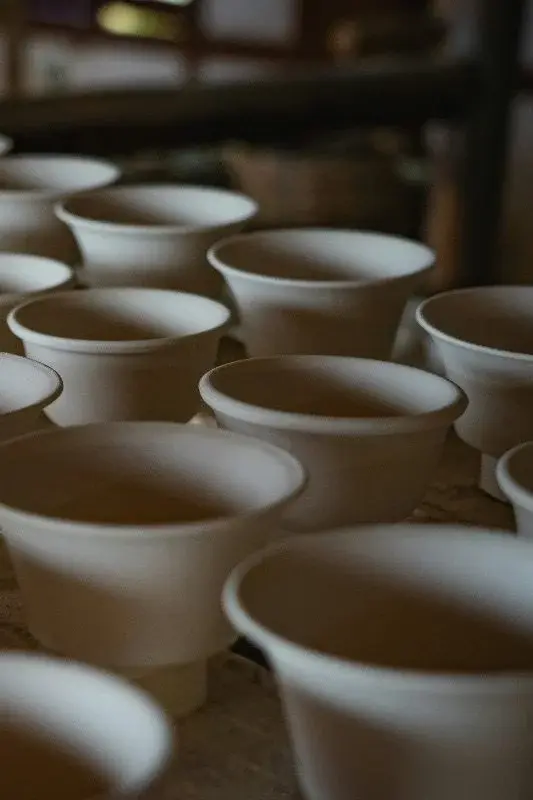
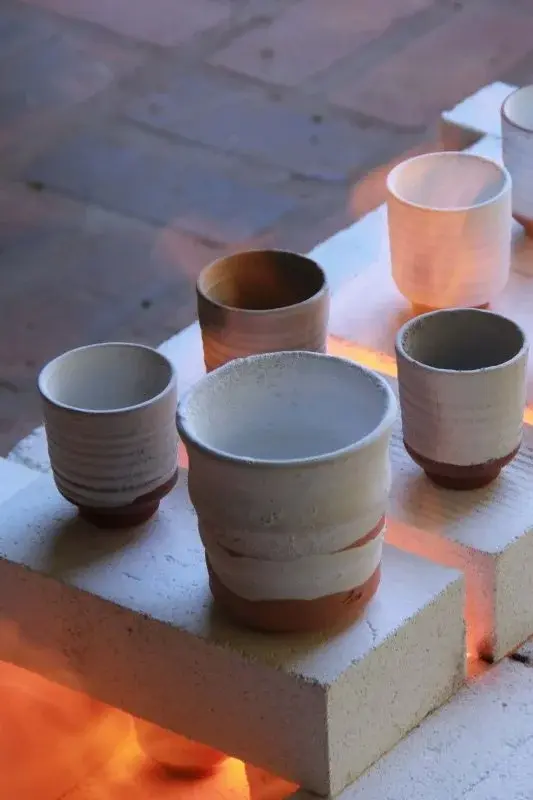
Which brings us back to whoever is holding the raw material when the kiln opens. Here's who each city is for.
Jingdezhen makes sense if…
You want to learn to make and need failure to cost as little as possible. The city is built to let you be bad at a craft long enough to get good — cheap rent, cheap materials, every specialist a scooter ride away. Best while the window is still open.
Santa Fe makes sense if…
You want to sell to one of America's richest art markets, or you already make good money and want the light, the adobe and the galleries. It's a place to arrive once you've made it — not a place to become a maker on the cheap.
Neither city is villain or hero. Both prove the same fragile bargain: a place can decide to value handmade things over efficiency, but it can't automatically keep that valuation cheap. Jingdezhen is deliberately paying to hold the door open. Santa Fe is the cautionary tale of what the same craft-devotion costs once the door swings shut — and, quietly, the story Jingdezhen will have to work not to repeat.
06 — Questions people actually ask
Quick answers
How do Jingdezhen and Santa Fe compare as craft cities?
Both built their identity on craft — ceramics in Jingdezhen, art in Santa Fe — but their affordability has moved in opposite directions from the same starting point.
Is Jingdezhen cheaper than Santa Fe?
Yes, for opposite structural reasons — Jingdezhen turned its cheapness into infrastructure that pulls makers in, while Santa Fe turned its reputation into a price premium that prices makers out.
Who can afford to make things in each city today?
Jingdezhen still functions as an affordable base for young makers ("kiln drifters"), while Santa Fe's own creative reputation has made that harder to sustain locally.
Could Jingdezhen become like Santa Fe eventually?
The comparison raises this directly: whether Santa Fe is essentially what Jingdezhen could look like fifty years down the same road of rising outside attention.
Has the author lived in both Jingdezhen and Santa Fe?
No — Jingdezhen is researched from a distance, consistent with the author's disclosed byline for that city.