Many people follow a simple logic when planning a move: If cheap produce exists in a city, it will be easy for me to buy cheap produce once I move there. That logic breaks on contact with the shopping channels themselves.
Databases report what local residents of a city can buy at what price. They do not lay out the real-world conditions required to access those prices. If you cannot meet those conditions — schedule, location, language, or consumption preferences, those low prices are irrelevant for you.
This analysis walks through the five main grocery shopping channels in China, quantifies their price advantages and entry barriers, and models three realistic monthly grocery patterns for foreign residents. The goal is not to tell you where to shop, but to help you estimate what your actual grocery basket will cost before you move.
The misconception: low city prices do not equal lower spending for you
Evening supermarket discounts sound appealing. If you finish work late and arrive once discounted items have already been picked over, or if you shop at a compact downtown supermarket with fast inventory turnover and little leftover fresh food at closing time, the city-wide markdown mechanism will do you no good.
Case study: Sanya's two realities
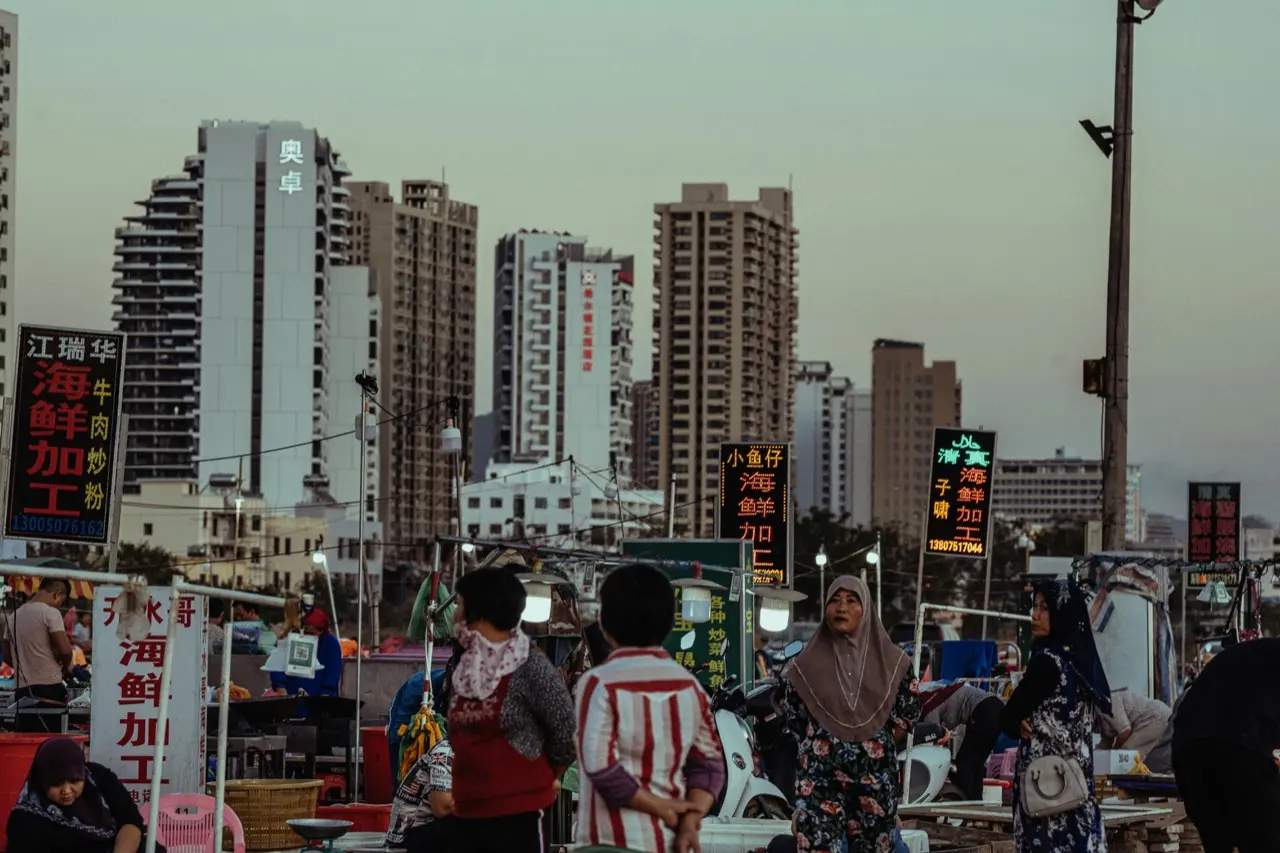
Sanya makes the gap concrete: one city, two completely different monthly food budgets, and the difference is decided by which district you live in.
Core argument: A city only creates the possibility of low-cost goods. Whether these savings translate into lower personal spending depends on how well your circumstances match each shopping channel's barriers.
Benchmark: what groceries actually cost in China (2026 data)
Before analysing channels, establish a baseline. The following tables show national average prices, a two-city comparison, and official wholesale market data.
Table 1: National Average Grocery Prices (Numbeo, 2026)
Table 2: Beijing vs Shanghai Grocery Prices (Numbeo, August 2026)
Table 3: Wholesale Market Reference (Ministry of Agriculture, September 2026)
Key observations:
- Staples remain affordable: Rice, eggs, and seasonal vegetables are consistently low-cost compared to Western markets.
- Protein prices are volatile: Pork is down sharply year-on-year, while egg prices are up significantly due to supply factors.
- City differences are modest: Beijing and Shanghai grocery prices differ by less than 15% for most items — far smaller than the gap between shopping channels.
- Channel choice matters more than city tier: The difference between morning market and import supermarket is often larger than the difference between cities.
Option 1: Evening fresh food markdowns before supermarket closing
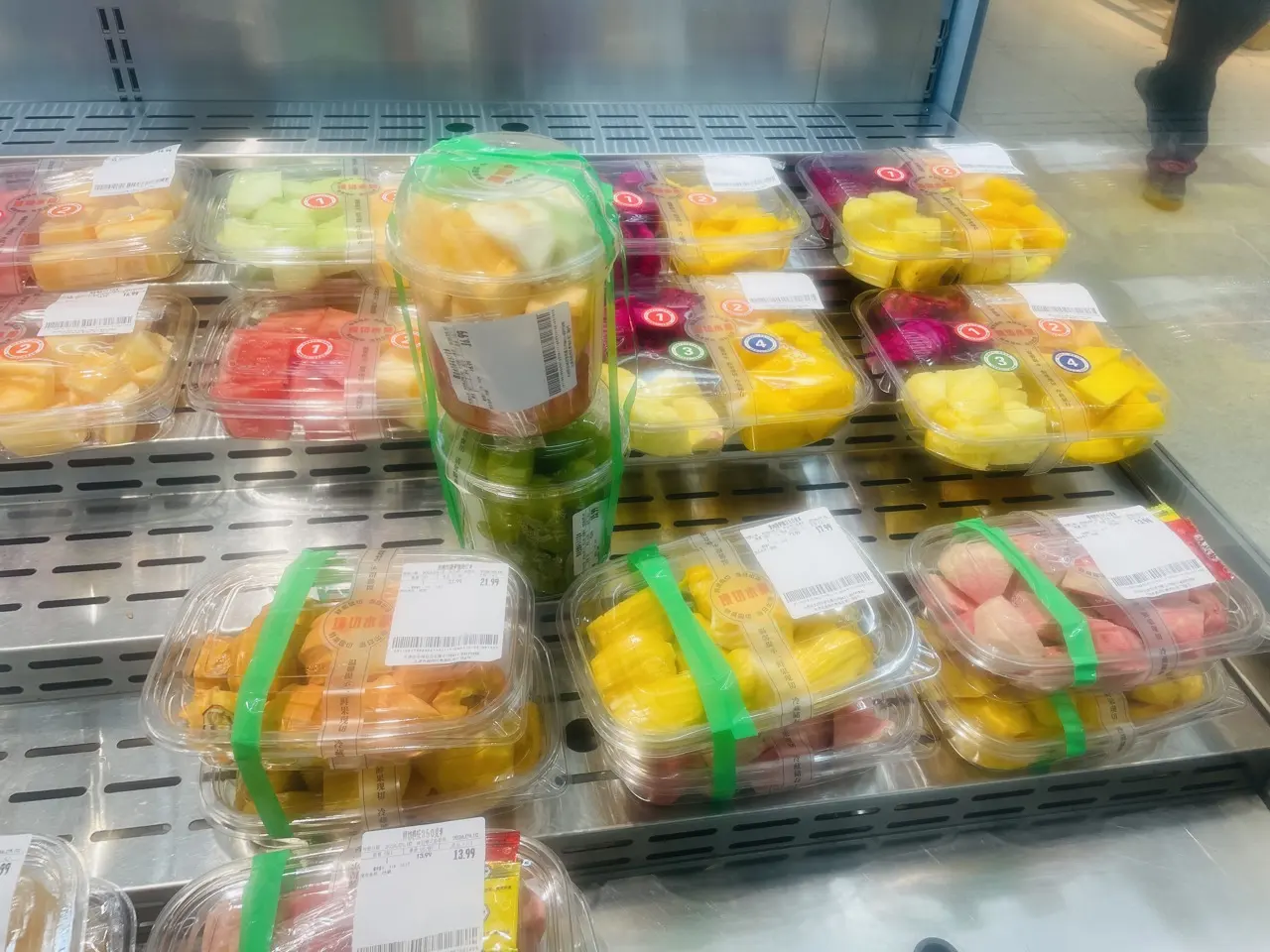
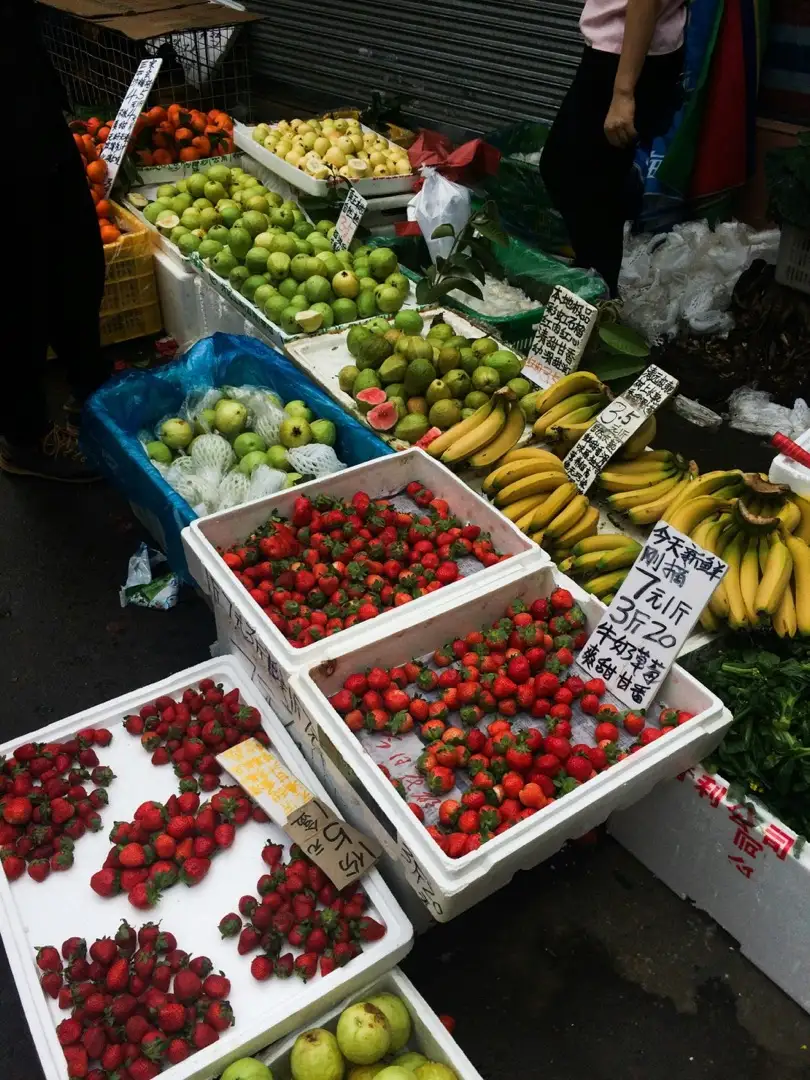
Major domestic supermarket chains mark down leftover fresh goods one to two hours before closing time. Discount labels apply to ready-to-eat counter food, pre-cut meat, bakery items, pre-packaged fruit cups, and ready-made salads. Observed discounts generally sit between 30 and 50 percent.
Quantified Case: Dalian Walmart (Shuyuan Store)
The schedule constraint: a time-investment analysis
For many foreign residents, the critical question is whether the time investment matches their daily routine.
Real-world constraints
- Schedule conflicts: By the time many residents finish work or daily tasks, discounted goods have already been claimed. You need to time your trip precisely for the markdown window.
- Large gaps between store locations: Suburban big-box outlets often have more leftover stock for evening markdowns. Compact downtown community supermarkets may sell most fresh stock during the day and leave almost nothing to discount after hours.
- Food safety risk relies on local practical knowledge: Marked-down goods are mostly ready-to-eat food and pre-cut meat nearing their best-before date. Long-term local residents can quickly spot signs of spoilage. Newly arrived foreign residents often lack this practical skill. Do not stock up heavily. Only buy enough for same-day or next-day consumption.
- Unpredictable product selection: Items on discount depend entirely on what did not sell that day. You cannot build your full weekly meal plan around evening markdowns. These sales work best as supplementary shopping rather than your primary grocery source.
Best fit for: People with flexible evening schedules, those who live near large domestic supermarkets, shoppers who can judge food freshness reasonably well, and anyone using markdowns only for supplementary purchases.
 Evening Markdowns
 Morning Market
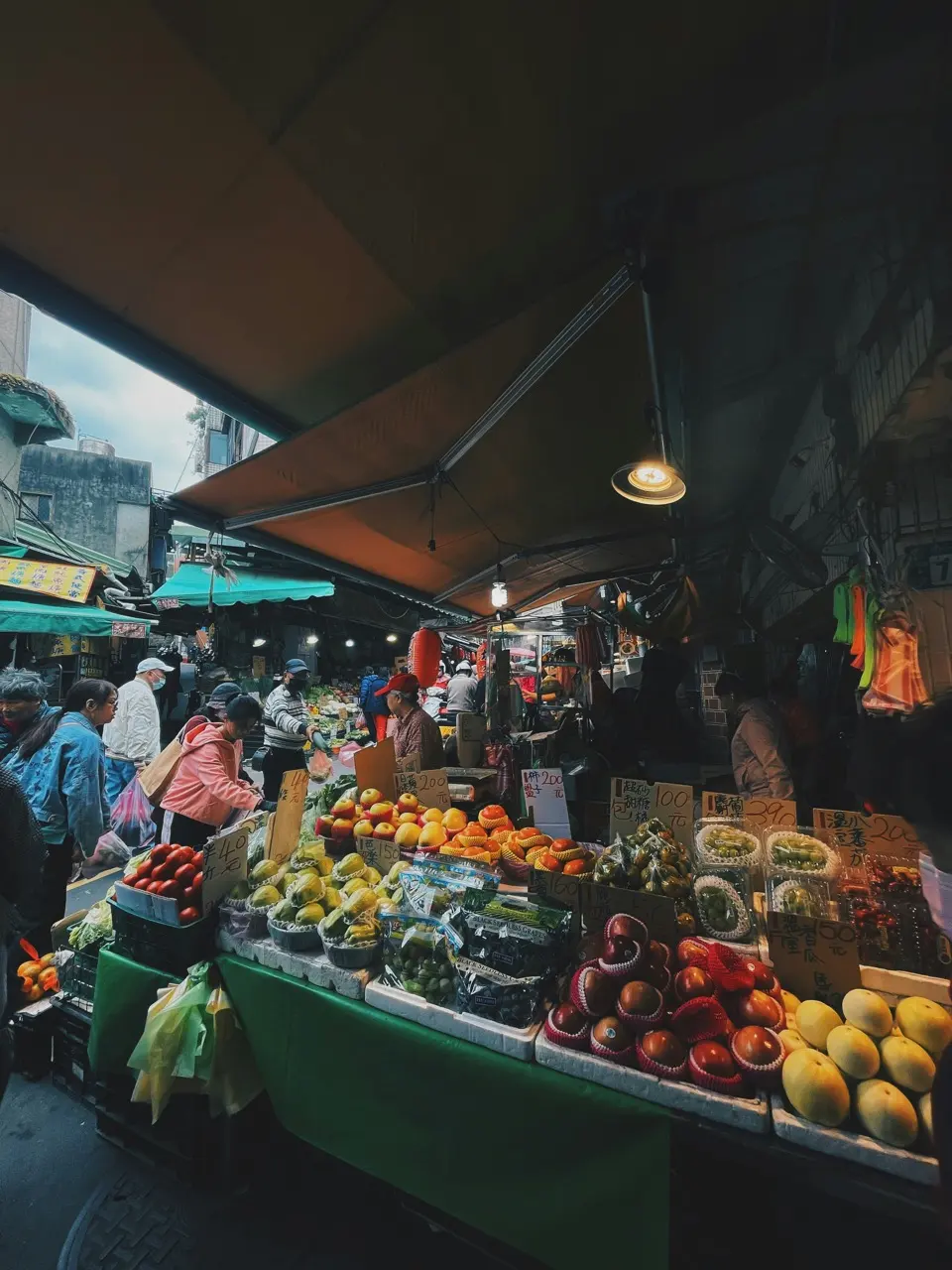
Option 2: Urban morning markets — fresh produce and strong value
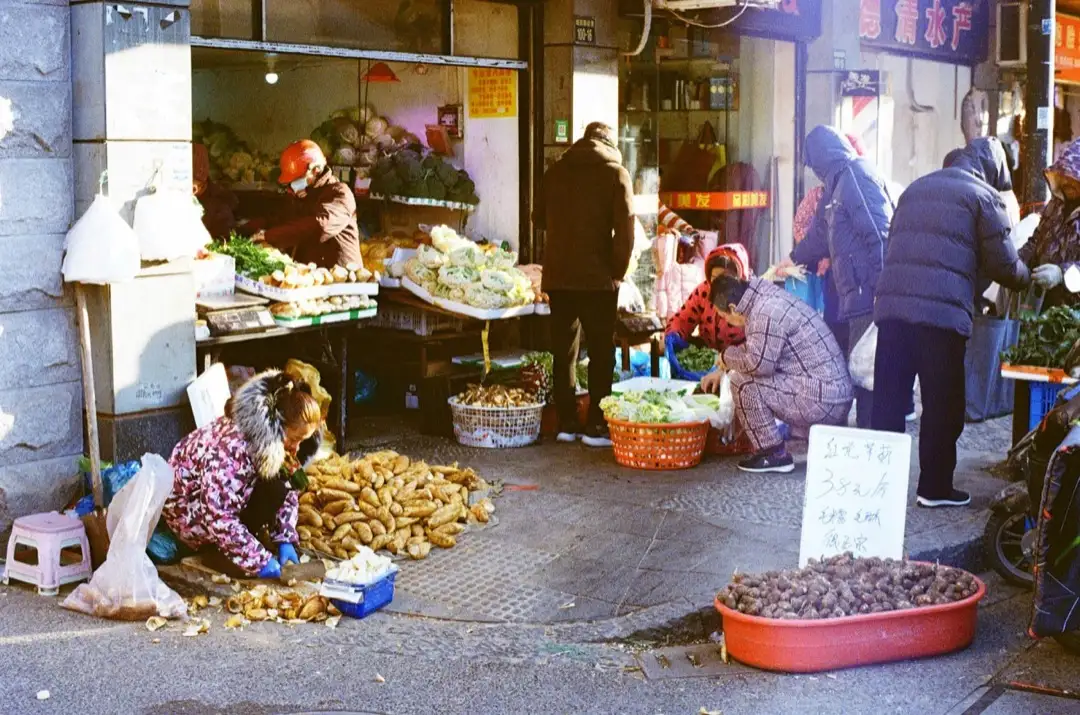
A common stereotype says morning markets exist mostly in northern China. On-site observation shows morning markets do not depend primarily on north-south geography. Three factors determine their presence: stock of older residential neighbourhoods, municipal street management rules, and proximity to fishing ports.
Quantified price advantage: morning market vs supermarket
The "Old Town Premium": new districts vs historic neighbourhoods
Universal hard requirements for morning market access
- Strict time constraints: Most open early in the morning and close between 8 a.m. and 9 a.m. People who keep late sleep schedules will find these markets largely inaccessible.
- Environmental limits: Open-air markets are affected by rain, snow, extreme heat, and cold. Covered semi-indoor markets offer more stable conditions.
- Communication barriers: Many small stalls have no printed price tags and quote prices verbally. Without basic Chinese speaking and number reading skills, you can easily misunderstand pricing. Some vendors may adjust quotes for shoppers unfamiliar with local market rates.

Best fit for: People who wake early, residents living in older neighbourhoods or close to large established markets, shoppers comfortable with open-air or semi-open settings, and anyone with basic Chinese communication skills. Coastal city dwellers gain extra access to affordable fresh seafood.
Option 3: Traditional wet markets
Traditional wet markets offer low per-unit prices for fresh food. Their biggest strength lies in convenience. They sit across central districts and residential areas with comprehensive selections of fruit, vegetables, meat, fish, eggs, and dairy.
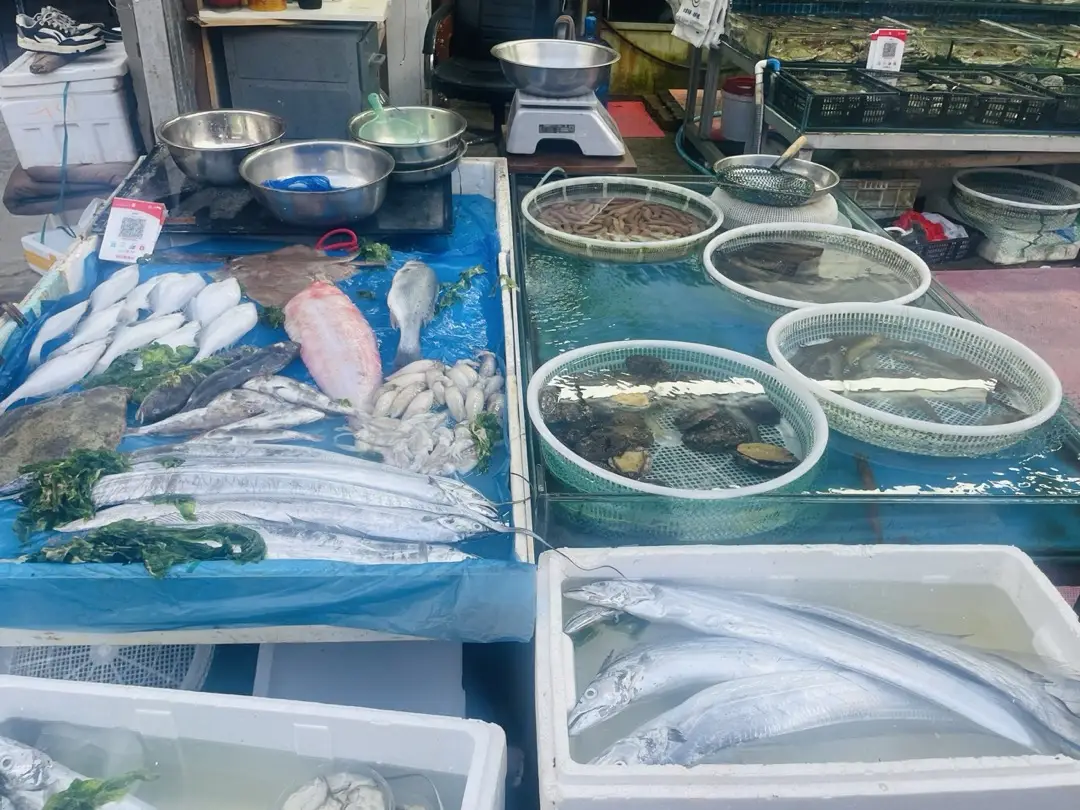
The price comparison reality: wet market variability
Implication for expats: Without Chinese language skills to compare prices across three or more vendors, you may pay closer to the higher end of the local range — approximately 15–20% above the local minimum in observed cases.
Time investment analysis
Best fit for: Shoppers willing to spend time comparing prices, people who accept open-air or semi-open market conditions, and those with basic Chinese language skills.
Option 4: Regular daytime supermarkets — member days and anniversary promotions
These stores serve as a solid baseline shopping choice. When schedule or neighbourhood barriers rule out morning markets and evening markdowns, regular domestic big-box supermarkets become the most realistic and reliable grocery option for most expats.
The true cost of convenience: price comparison
Member day economics: when discounts don't save money
Best fit for: People blocked from morning markets or evening markdowns by schedule or neighbourhood, shoppers planning large essential stock-ups who accept crowds and queues during sales, those able to resist impulsive over-buying, and anyone prioritising convenience over maximum savings.
Option 5: Import-focused supermarkets and cross-border online shopping
If you prefer imported goods, large and mid-sized Chinese cities offer many import-focused retail formats. These include Sam's Club, Metro, Costco, ALDI (where available), and Aeon, alongside G-Super premium import supermarkets in select cities.
The membership fee mathematics
Formula: Break-even monthly spend = annual fee ÷ assumed savings rate ÷ 12
Metro's hybrid model: Unlike Sam's Club and Costco, Metro does not require a paid membership to enter. The free electronic membership allows in-store shopping at regular prices; the ¥199 PLUS tier unlocks member-only pricing, free parking (3–5 hours), 5× points on the 8th of each month, and new-member coupon packs. This makes Metro a more accessible option for singles who want occasional access to imported goods without an annual commitment.
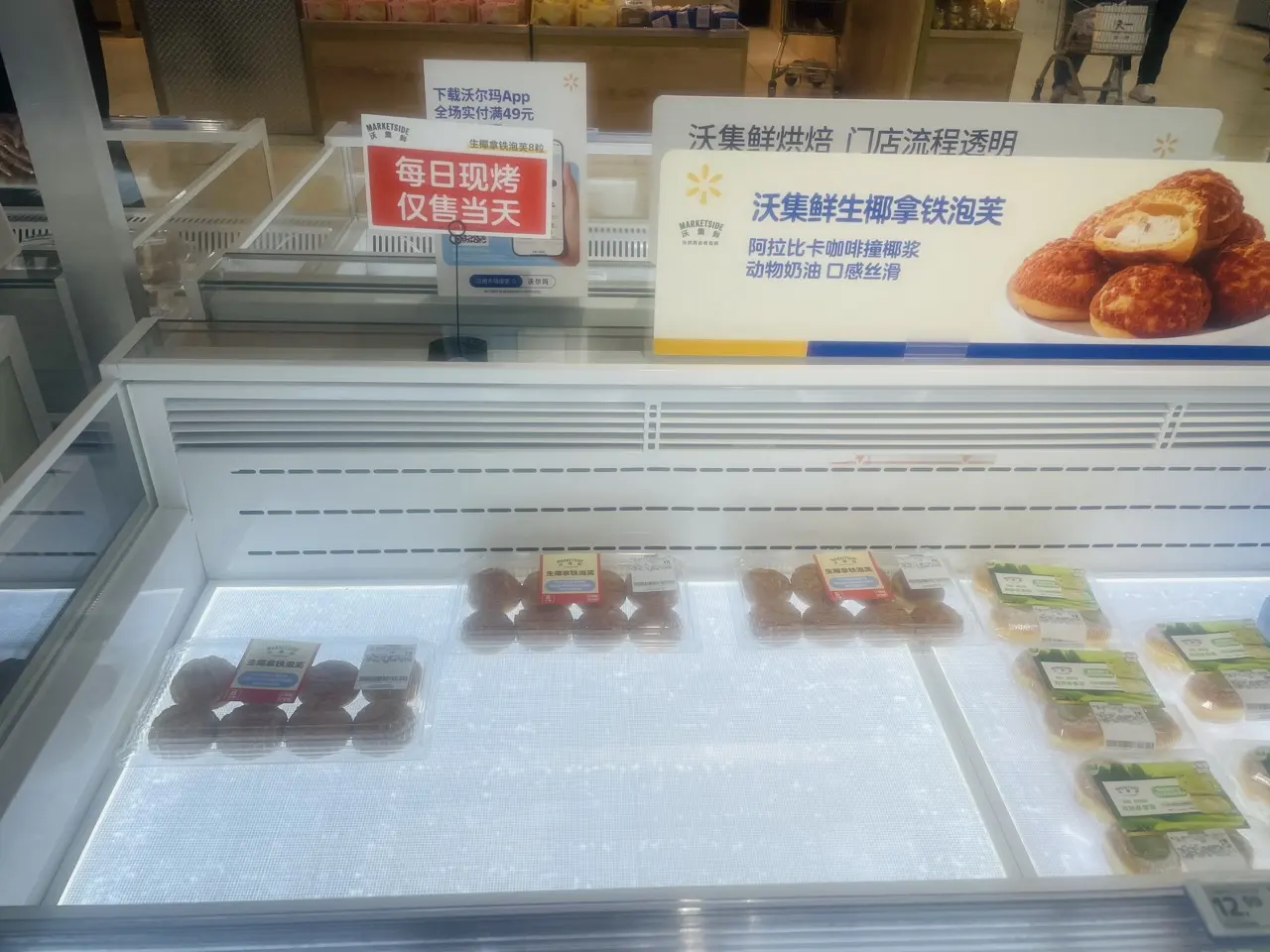
The bulk-pack waste factor
Key insight: Even if you relocate to a city with low rent, your grocery cost advantage vanishes if your grocery list relies heavily on imported goods.
The home-country consumption premium: a cost model
This under-discussed factor rarely receives thorough coverage in relocation content. Many people planning a move assume they can save large sums simply by switching fully to local Chinese products once they arrive. Planned choices on paper rarely match real-life daily living.
Annual cost of home-country preferences: ¥10,000–13,700 ($1,390–1,900). This premium exists regardless of which Chinese city you choose. It is a function of personal consumption patterns, not local price levels.
Monthly cost scenarios: three expat grocery patterns
The following scenarios are hypothetical composite case studies based on patterns observed in field research. They illustrate potential grocery-basket ranges for a single adult. They are not statistical averages and exclude restaurant spending.
Scenario A: "The Local Adapter" (Full Integration)
Profile: Lives in an older neighbourhood, wakes early, intermediate Chinese, eats mostly local food.
Scenario B: "The Hybrid Optimizer" (Balanced Approach)
Profile: Lives in a mixed neighbourhood, flexible schedule, basic Chinese, mix of local and Western food.
Scenario C: "The Import Dependent" (Western Replication)
Profile: Lives in a new district or expat compound, limited Chinese, prefers familiar brands.
Comparative analysis
Comparison table: quantified barriers and benefits
Core decision checklist
Before getting drawn in by reports of low prices in a city, ask yourself these questions:
- Schedule: Can my daily schedule meet the hard time requirements for this shopping channel? Morning markets demand early wake-ups; evening markdowns require precise early-evening timing.
- Location: Where will I live? Does my planned neighbourhood, whether a new-build district or older area, actually offer this shopping channel? Many new districts have no open-air morning markets, and downtown zones may lack large-format domestic supermarkets.
- Language: Can I judge food quality and understand pricing well enough to avoid pitfalls?
- Environment: Can I mentally accept the shopping-environment trade-offs? These include cold or heat at open-air morning markets and damp, noisy conditions inside wet markets.
- Preferences: To what extent will I keep buying imported or home-country goods? Even if cheap local alternatives exist, will I realistically switch over in day-to-day life?
Key takeaway: Do not look only at what low-cost goods exist within a city. Look at whether your personal circumstances let you actually access those low prices. Without matching conditions, the lowest local prices will not benefit you.
Conclusion: from field notes to a laboratory report
The qualitative insights in this analysis are straightforward: different shopping channels serve different people, and the cheapest headline price is meaningless if you cannot access it. But the quantitative picture adds a second layer: the gap between the local-focused and import-dependent grocery basket is not 10–20%. It is often two to three times the baseline.
Three patterns stand out:
- Channel matters more than city. Beijing and Shanghai differ by less than 15% on most grocery items, while morning market and import supermarket can differ by 200–300%.
- Time and language are real entry costs. The cheapest channels require early rising, local knowledge, and basic Chinese. If you cannot meet those conditions, the savings are not available to you.
- Consumption preferences are the biggest variable. The import premium — ¥840–1,140 per month for a single adult — exists regardless of which city you choose. It is a function of what you buy, not where you live.
The takeaway: The useful question isn't which city is cheapest for groceries. It's which shopping channels you can realistically use, and what your basket costs through those channels. That answer beats any city-level price index.
"Channel choice varies grocery spend by 2.6× within the same city. Location and schedule decide which channels you can reach."
Methodology & data sources
Data collection
- Field observations: Conducted across multiple Chinese cities (2024–2025), including Dalian, Tianjin, Chengdu, Kunming, Xiamen, Sanya, Harbin, Nanjing, Shanghai, and Guangzhou.
- Price verification: Spot-checked against Numbeo (2026) and LivingCost.org (2026) databases.
- Official data: Ministry of Agriculture and Rural Affairs wholesale price monitoring, September 2026.
- Retailer data: Membership fees and promotion terms verified on official websites and media reports (2026).
- Scope: This article focuses on grocery and at-home food baskets. Restaurant spending, alcohol, and special dietary supplements are excluded unless explicitly stated.
Limitations
- Sample size: Price observations represent specific locations and dates; significant variation exists between stores and seasons.
- Hypothetical scenarios: The "Monthly Cost Scenarios" section presents composite case studies for illustrative purposes. Actual costs depend on individual consumption patterns.
- Exchange rates: Currency conversions use 1 USD = 7.2 CNY (September 2026). Rates fluctuate.
- Regional variation: Northern vs southern China shows significant seasonal price variation for fresh produce.
- Crowd-sourced data: Numbeo and LivingCost.org are useful comparison tools but are not official statistical sources.
Sources
- Numbeo. (2026). Cost of Living in China. Retrieved from https://www.numbeo.com/cost-of-living/
- LivingCost.org. (2026). China Cost of Living. Retrieved from https://livingcost.org/cost/china
- Ministry of Agriculture and Rural Affairs. (2026). National Agricultural Wholesale Market Price Monitoring, September 2026.
- Sam's Club China. (2026). Membership Terms. ¥260 basic / ¥680 premium, national uniform pricing.
- Costco China. (2026). Membership Terms. ¥299 Gold Star / ¥688 Executive.
- Metro China. (2026). Membership Programme. Free electronic membership + ¥199/year PLUS membership.
- ALDI China. (2026). Store and membership information, where applicable. Primarily in Shanghai and Jiangsu.
- Living Cost Laboratory. (2025). Field notes: Grocery price observations, 2024–2025.
- Exchange rate reference: 1 USD = 7.2 CNY, September 2026.
How to cite this article
Living Cost Laboratory. (2026). How Grocery Shopping Shapes Your Cost of Living in China. Retrieved from https://www.livingcostlaboratory.com/insights/grocery-shopping-habits/