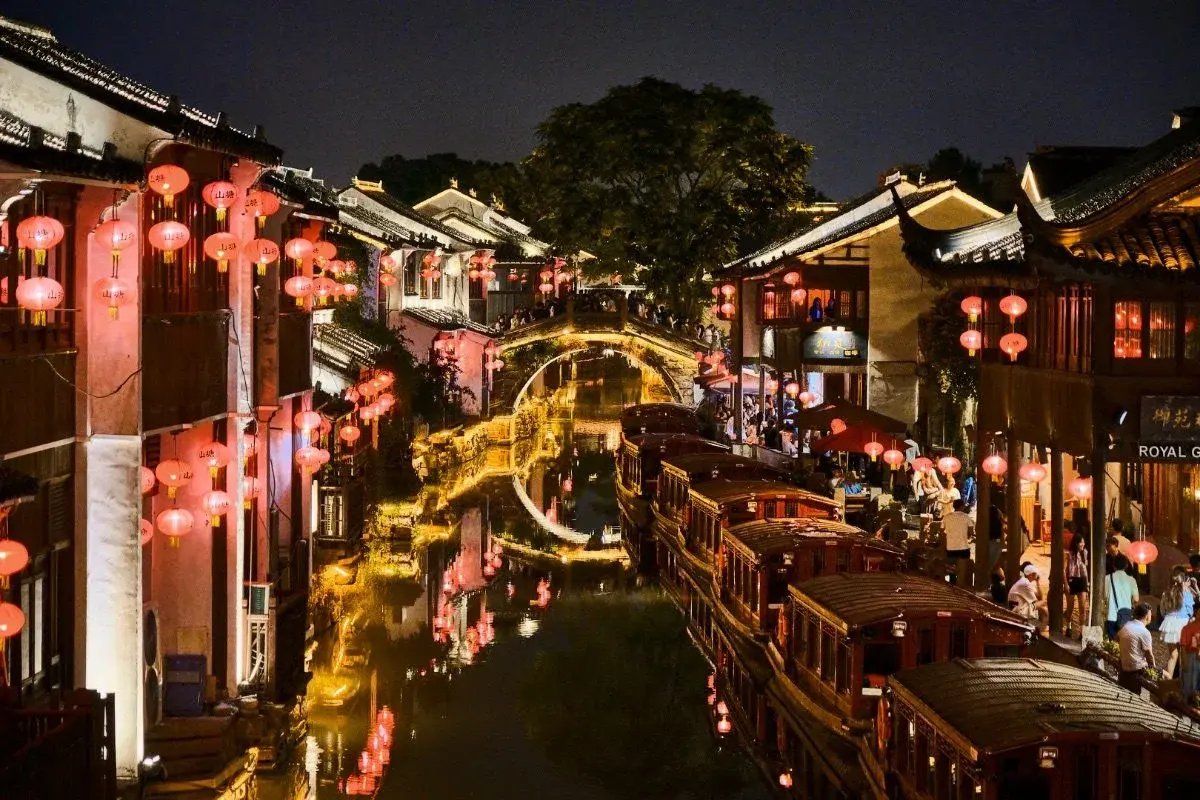
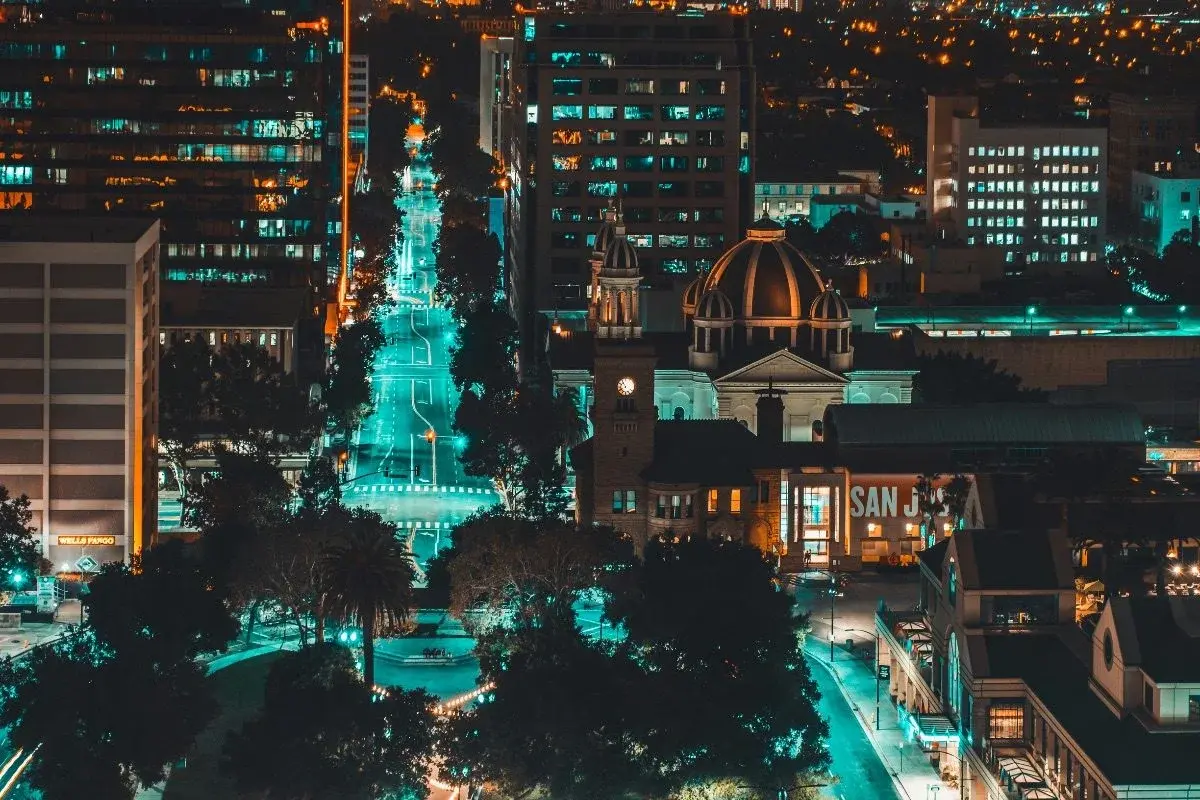
Both cities do the same kind of work: the real production happens here, and the flashier neighbor next door gets the credit. Suzhou manufactures the goods that flow through Shanghai's supply chains and export statistics. San Jose houses more Fortune 500 tech headquarters than San Francisco does, even though "Silicon Valley" conjures images of SF's skyline in most people's heads.
Here's the twist that makes this comparison worth doing: Suzhou's version of this arrangement comes with a real discount — a rent-to-wage ratio around 33%, one of the best in this whole series. San Jose's doesn't. Even though average salaries run nearly five times higher than Suzhou's, San Jose's own rent-to-wage ratio sits close to 48% — worse than most of what this site has measured in Chinese cities, and not far off San Francisco's reputation for unaffordability. Being the engine room bought Suzhou a discount. It didn't buy San Jose one.
01 — The money doesn't cancel the way it usually does
Suzhou vs San Jose: 33% vs 48% of wages on rent.
Suzhou's city-center one-bedroom runs $421 a month, roughly 33% of the median after-tax wage of $1,273. San Jose's center one-bedroom runs $3,172 a month, about 48% of its median after-tax wage of $6,643. The salary multiple (5.2×) doesn't cover the rent multiple (7.5×).
Suzhou figures carried directly from this site's Suzhou city deep-dive (Numbeo, read Aug 2026) — when a shared quantity is already published on the China-side city page, that page's number is authoritative here, not a fresh re-pull. San Jose figures are a fresh Numbeo pull, read 12 August 2026 (556 entries, 58 contributors). Converted at ¥7.2 = $1.
San Jose's average salary is 5.2× Suzhou's. Its rent isn't 5.2× higher — it's 7.5× higher (city center). That gap between the salary multiple and the rent multiple is the whole story of this section: San Jose's wages haven't kept pace with what it actually costs to live there. Suzhou's wages have pulled even further ahead of what Suzhou costs.
For the mechanics of actually finding and signing a Suzhou lease — deposits, agent fees, the paperwork — see Renting an Apartment in China.
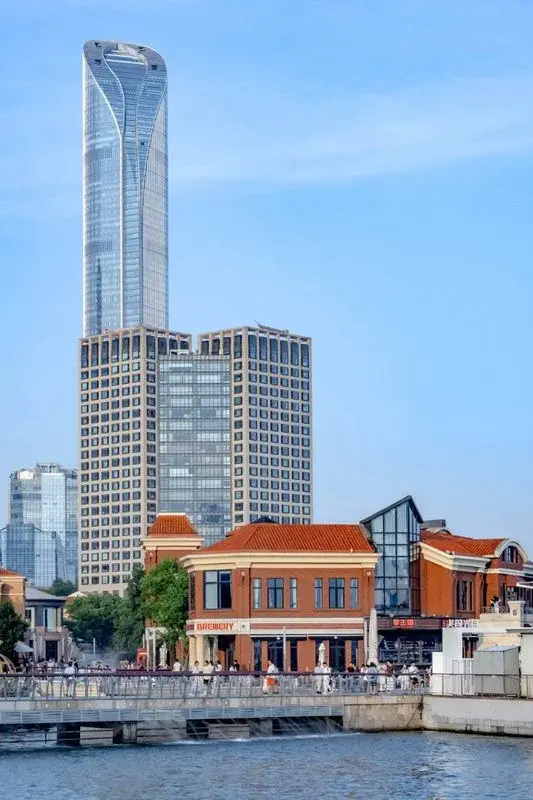 Suzhou
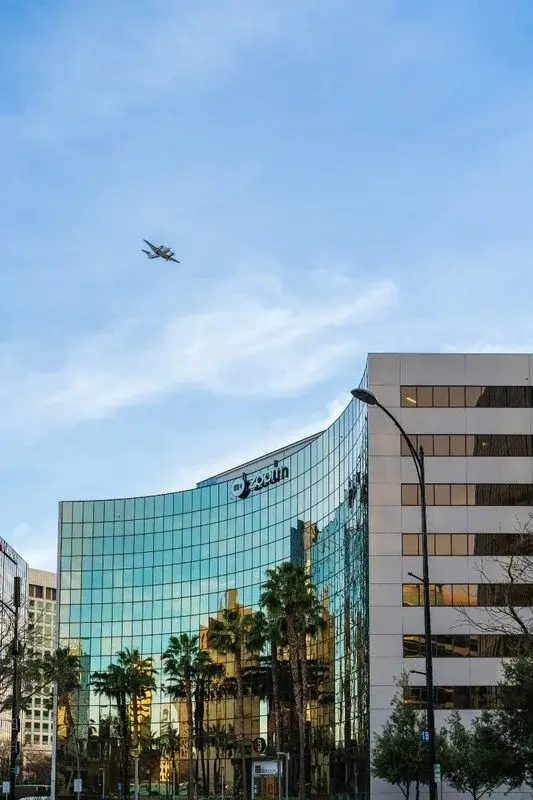 San Jose
02 — The everyday layer
Suzhou vs San Jose: utilities, dining, and transit costs.
Rent tells one story. The rest of a monthly budget tells a messier one — some gaps here run even wider than rent's, some land surprisingly close.
Electricity
| Suzhou | San Jose | |
|---|---|---|
| Rate, per kWh | ¥0.53–0.83 (≈$0.073–0.115) | $0.3925 (PG&E avg. bundled) |
Suzhou: official annual-tier rates, Suzhou Municipal Development and Reform Commission, as reported on this site's Suzhou city page. San Jose: PG&E's own published average bundled residential rate, effective March 2026 (a crowdsourced EnergySage figure from real bills, Aug 2026, puts the median even higher at $0.41/kWh). PG&E is San Jose's primary utility; San José Clean Energy supplies generation on top of PG&E's delivery rate but doesn't change the comparison materially.
The surprise in this section
Electricity is where the multiple stops looking like rent's. Run the numbers directly from the table above ($0.3925 ÷ ¥0.5283/7.2 = 5.35×, down to $0.3925 ÷ ¥0.8283/7.2 = 3.41× at Suzhou's top tier), and PG&E's average rate comes out to roughly 3.4–5.4× Suzhou's — a real gap, but nowhere near rent's 7.5×. Some of California's highest-in-the-nation power costs are a genuinely separate story from its housing costs. Not the same thing happening twice.
Water
| Suzhou | San Jose | |
|---|---|---|
| Typical monthly bill | ≈¥51 (≈$7) at 15 m³ | ≈$125–131 at 10 CCF (≈28 m³) |
Suzhou: official tiered rate (¥3.41/m³ at tier 1) applied to this site's standard 15 m³/month single-occupant baseline. San Jose: San Jose Water Company's own published average residential bill (service charge + quantity charge combined) for a ¾-inch meter at 10 CCF/month usage, 2026 schedule. The two figures don't match unit-for-unit — Suzhou's is a pure per-unit tier rate, San Jose's is SJW's own bundled bill including the fixed service charge — flagged here rather than forced into a fake apples-to-apples comparison.
Dining & transit
| Suzhou | San Jose | |
|---|---|---|
| Inexpensive meal out | ¥28 ≈$3.89 | $24.50 |
| Transit, one-way | ¥2–8 (distance-based) | $2.50 |
| Transit, monthly pass | n/a — pay-per-ride only | $90 |
| Mobile + broadband, combined | Not separately confirmed for Suzhou | ≈$121 ($47.91 + $73.26) |
Suzhou dining and transit figures from this site's Suzhou city page (Numbeo, Aug 2026); Suzhou has no unlimited monthly transit pass product to compare against San Jose's $90 VTA pass — see Getting Around in China for the full metro fare schedule. San Jose figures: Numbeo, read 12 August 2026. Suzhou's own mobile/broadband bundle isn't independently confirmed on this site yet — flagged as a gap rather than estimated.
The dining gap (about 6.3×) sits closer to the rent gap than the utility gap does. A meal out draws on the same labor-and-commercial-rent math that sets San Jose's housing costs. A kilowatt-hour of electricity mostly reflects a regulated utility's own infrastructure spending, largely decoupled from the local real-estate market.
 Suzhou
 San Jose
03 — Property & childcare
Suzhou vs San Jose: property prices and school fees.
Property price and international-school tuition are comparison-native numbers — they only make sense next to a counterpart, so they live here rather than being forced onto either city's standalone page.
Buying a home
| Suzhou | San Jose | |
|---|---|---|
| Citywide average | ¥17,135/m² ≈$221/sq ft | $810–841/sq ft |
| Priciest district (Suzhou Industrial Park) | ¥33,561–37,051/m² ≈$433–478/sq ft |
Suzhou: citywide average listing price, creprice.cn, April 2026; Suzhou Industrial Park secondhand-market average, fang.com/creprice.cn, July 2026. Converted from ¥/m² to $/sq ft (1 m² ≈ 10.764 sq ft) at ¥7.2 = $1. San Jose: Numbeo's price-per-square-foot figures (city center / outside center), Aug 2026. Chinese and U.S. property listings price differently by convention (per-m² total-building-area vs. per-sq-ft) — the conversion here is legitimate arithmetic, shown rather than asserted.
Even Suzhou's most expensive neighborhood — the Industrial Park itself, the district this whole comparison turns on — still prices at roughly half San Jose's average. Step back to Suzhou's citywide figure and the gap widens further: barely a quarter of San Jose's per-square-foot price. The "engine room" discount holds even at the top of Suzhou's own market.
International school / childcare
| Suzhou | San Jose | |
|---|---|---|
| Int'l/bilingual K-12 tuition, annual | ¥150,000–230,000 ≈$20,833–31,944 | $39,800 (int'l primary) |
| Private full-day preschool, monthly | Not separately confirmed | $1,822 |
Suzhou: a range compiled across several Suzhou Industrial Park international/bilingual schools (Nord Anglia, XJTLU-affiliated school, and comparable options), via third-party school-comparison aggregators, 2025–26 published or reported fee schedules — not a single official source, and flagged as such. San Jose: Numbeo, Aug 2026.
This is the one place in the whole comparison where the numbers land close together instead of an order of magnitude apart — and it's worth being precise about why. A Suzhou international school is overwhelmingly a necessity purchase for an expat family: local public schools mostly aren't a realistic option for a foreign passport holder, so the tuition is the cost of any schooling at all, not an upgrade. San Jose's public school system is free and, in plenty of neighborhoods, genuinely good — its private and international tuition is closer to an opt-out purchase, buying a different kind of education rather than the only available one. Two similarly-sized numbers, two very different transactions behind them.
04 — Who actually lives here
Suzhou vs San Jose: A manufacturing workforce vs an immigrant tech workforce.
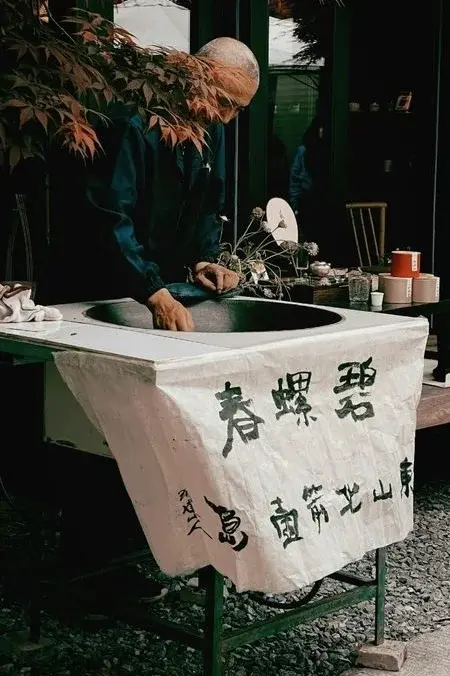
Suzhou's foreign nationals, per this site's own Suzhou city page, cluster around two centers: the Suzhou Industrial Park (foreign-invested manufacturing management, a planned international-school-and-housing district) and Kunshan (the county-level city that's become one of China's densest hubs of Taiwanese-invested electronics manufacturing — also home to Duke Kunshan University, covered on this site's Suzhou universities page). They're overwhelmingly a working population, posted here by an employer, not people who chose Suzhou on their own.
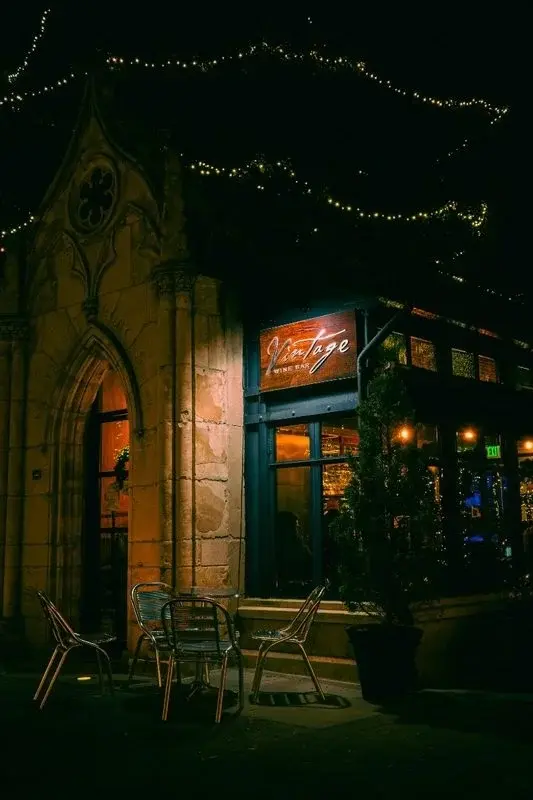
San Jose's population runs on a related but different engine: one of the highest concentrations of H-1B visa holders of any U.S. city, drawn by the same technology employers whose headquarters anchor §05 below. San Jose is also home to one of the largest overseas Vietnamese populations in the world, a Hispanic community making up roughly a third of city residents, and long-established communities in neighborhoods like Japantown — a demographic depth that predates the tech-industry boom by generations, layered underneath it rather than replaced by it.
Put side by side, both cities' foreign-born populations are there for the same fundamental reason — an employer, not a lifestyle choice — but Suzhou's arrived through corporate relocation into a planned district, while San Jose's arrived through a national visa system funneling skilled workers toward a handful of employers that happen to be headquartered in one city.
 Suzhou
 San Jose
05 — The reversal, explained
Suzhou vs San Jose: why the discount didn't follow the headquarters.
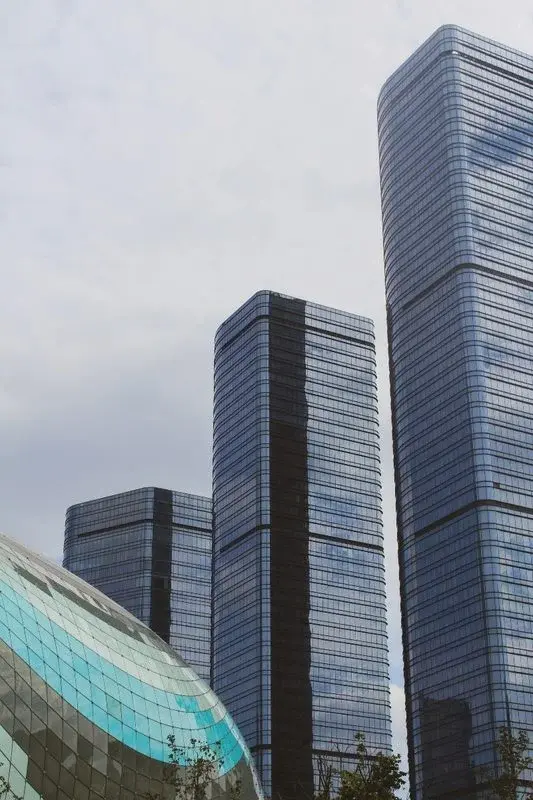
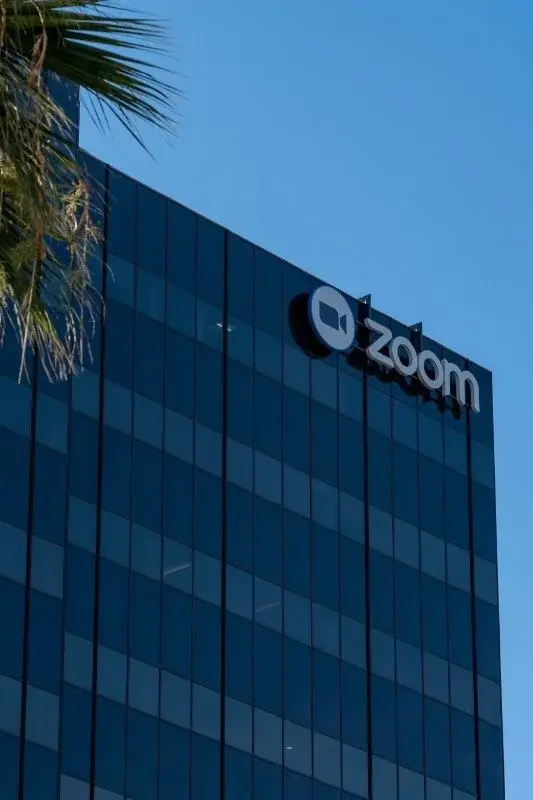
Start with the headquarters count. It's the fact this whole comparison hinges on, and it's more lopsided than most people assume. Cisco Systems (Fortune #74), Adobe (#210), PayPal Holdings (#145), Western Digital, and Super Micro Computer are all headquartered inside San Jose city limits — not "Silicon Valley" broadly, San Jose specifically. Zoom, one of the most recognizable tech brands of the last decade, is headquartered here too, on the edge of Fortune 500 scale even where it doesn't clear the list outright. San Francisco's own major public tech and finance names — Salesforce (#123), Visa (#135), Uber (#113), Gap (#278) — lean more toward finance, consumer platforms, and retail than the core infrastructure and hardware companies clustered in San Jose.
By headcount and headquarters, San Jose has a better claim to the "capital of Silicon Valley" title than San Francisco does — it's the larger city by population, and it houses more of the region's actual corporate infrastructure. San Francisco keeps the cultural association anyway: the skyline in the stock photos, the setting of the tech novels and shows, the name people reach for when they say "Silicon Valley" out loud even though the valley itself is 50 miles south.
 Suzhou
 San Jose
Why the discount didn't follow
This is the reversal Suzhou doesn't share. Suzhou's status as Shanghai's manufacturing engine room came with a real cost advantage, because Suzhou's own land, labor, and housing supply were never bound by Shanghai's scarcity — the 1994 Suzhou Industrial Park was built with room to grow, and it grew. San Jose's status as Silicon Valley's headquarters engine room ran into the opposite problem: California's housing supply, especially across the Bay Area, is throttled by restrictive municipal zoning, Proposition 13's effect on how land gets used and redeveloped, and the hard geographic limits of a peninsula hemmed in by hills and bay water on most sides. Being the place where the real work happens only buys a discount if the place is also allowed to build enough housing to keep up with the money that work generates — Suzhou was, and San Jose, so far, hasn't been.
The result is a city that behaves less like a satellite that undercut its famous neighbor and more like a second version of the same expensive region — on every measure that matters for someone actually living there. San Jose shares San Francisco's affordability crisis without sharing its cultural cachet. Suzhou avoided that fate. Not because it's smaller or newer, but because the region around it had room to say yes to more housing, and did.
06 — Quick answers
Suzhou vs San Jose, quickly
Is Suzhou cheaper than San Jose?
Yes, by a lot — a city-center one-bedroom in Suzhou runs about $421/month versus roughly $3,172 in San Jose, and Suzhou's rent-to-wage ratio (about 33%) is far healthier than San Jose's (about 48%), even though San Jose's average salary is nearly five times higher.
Is San Jose really the capital of Silicon Valley, not San Francisco?
By headquarters count, yes — Cisco, Adobe, PayPal, Western Digital, Zoom, and Super Micro Computer are all headquartered in San Jose, while San Francisco's major public tech names lean more toward finance and consumer platforms (Salesforce, Visa, Uber). San Jose is also the larger city by population. San Francisco keeps the cultural association with "Silicon Valley" regardless.
Why is San Jose so expensive despite being the real Silicon Valley hub?
Primarily housing supply constraints across the Bay Area — restrictive zoning, Proposition 13's effect on land-use incentives, and geographic limits on sprawl — that keep San Jose's rent tied to the broader region's scarcity rather than its own status as a production or headquarters hub.
How does buying property compare between Suzhou and San Jose?
San Jose runs roughly 2-4× more expensive per square foot than Suzhou, even against Suzhou's priciest district (the Suzhou Industrial Park). San Jose averages around $810-840/sq ft; Suzhou's citywide average converts to roughly $221/sq ft, rising to about $433/sq ft in the Industrial Park.
If you're weighing the two
Suzhou vs San Jose, for someone actually deciding
- Don't compare salaries in isolation. San Jose's paycheck is nearly 5× Suzhou's, but rent, dining, and childcare take a bigger bite — run your own numbers through the take-home-vs-cost math before assuming the higher number wins.
- Property is the sharpest gap in this whole comparison. If buying is part of your plan, Suzhou — even its priciest district — undercuts San Jose by 2–4× per square foot.
- If proximity to a bigger neighbor matters for your work, both cities deliver it — Suzhou to Shanghai by under 30 minutes of high-speed rail, San Jose to San Francisco by an hour or more of Caltrain or traffic-dependent driving. The commute math isn't even close.
- International schooling costs land close together for expat families in Suzhou and private/international families in San Jose — but they're solving different problems (a necessity vs. an opt-out), not the same one at a coincidentally similar price.